10 Daily Habits of Frugal People
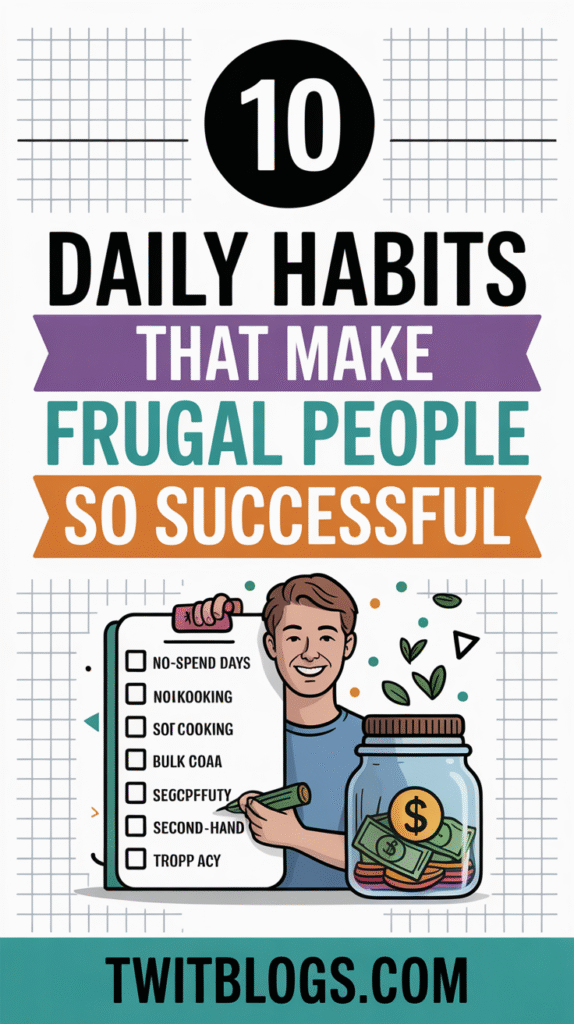
Frugal people aren’t pinching pennies — they’re mastering money so life feels richer. These 10 daily habits saved me $7,800 last year without missing out. If you’re curious about the daily habits of frugal people, you’re in for a treat. These aren’t about deprivation; they’re simple, repeatable choices that build wealth quietly while sparking creativity, contentment, and freedom. Frugal folks embrace frugal living habits that turn everyday routines into abundance—think habits of frugal people like mindful spending and gratitude that enhance joy. Whether it’s a frugal daily routine for busy parents or simple frugal habits for young professionals, these frugal lifestyle tips prove saving can feel effortless and fulfilling. I’ve lived them through tight budgets and now abundance—they work because they’re sustainable and life-affirming. Ready to feel richer tomorrow?
1. They Plan Meals and Shop With a List
Why it works long-term: Impulse grocery buys add up; planning reduces waste and overbuying, compounding into thousands saved while encouraging healthier, creative cooking.
Step-by-step daily implementation: 1) Each evening, check pantry/fridge. 2) Plan tomorrow’s meals around what’s on hand. 3) Add needed items to a running list on your phone. 4) Shop once weekly, sticking strictly to the list—no extras.
Estimated savings: $150–$300/month ($1,800–$3,600/year) on groceries and eating out.
How it improves life beyond money: A mom of three I know turned this into family bonding—kids suggest meals, reducing pickiness. It sparks creativity with “pantry challenges” and ensures nourishing food without stress.
2. They Practice the 30-Day Rule for Wants
Why it works long-term: Delaying non-essentials curbs impulses; most desires fade, preventing regret buys and freeing cash for meaningful goals.
Step-by-step daily implementation: 1) Spot a want (e.g., new gadget). 2) Add to a “30-day list” with date and price. 3) Wait full 30 days. 4) Reassess—if still wanted and budgeted, buy; otherwise, celebrate the save.
Estimated savings: $500–$2,000/year on avoided purchases.
How it improves life beyond money: A young professional friend used this for clothes—her wardrobe became curated, boosting confidence. It builds patience and clarity, reducing clutter and decision fatigue.
3. They Track Spending Mindfully Every Day
Why it works long-term: Daily awareness spots leaks early; mindful tracking shifts from scarcity to empowerment, making saving automatic.
Step-by-step daily implementation: 1) Evening ritual: Open app (Mint free) or notebook. 2) Log day’s expenses categorically. 3) Note feelings (e.g., “worth it?”). 4) Adjust tomorrow if needed—no judgment.
Estimated savings: $100–$400/month by catching small leaks ($1,200–$4,800/year).
How it improves life beyond money: An entrepreneur tracked for a month, uncovering $200 in unused subs—canceling funded a course that grew her business. It fosters gratitude and intentionality daily.
4. They Choose Free or Low-Cost Entertainment
Why it works long-term: Paid fun drains budgets; free alternatives build creativity and relationships, saving while enriching experiences.
Step-by-step daily implementation: 1) Morning: Plan evening activity (walk, library book). 2) Use free resources (parks, YouTube). 3) Involve family/friends. 4) Reflect on enjoyment.
Estimated savings: $100–$300/month ($1,200–$3,600/year) vs. paid outings.
How it improves life beyond money: A couple replaced Netflix dates with board games and stargazing—deeper conversations strengthened their bond, creating cherished memories.
5. They Maintain and Repair Instead of Replace
Why it works long-term: Proactive care extends item life; small fixes prevent big costs, teaching resourcefulness over consumerism.
Step-by-step daily implementation: 1) Notice wear (e.g., loose button). 2) Fix immediately (sew, clean). 3) Weekly: Quick home checks (filters, leaks). 4) Learn via free YouTube.
Estimated savings: $500–$1,500/year on replacements/repairs.
How it improves life beyond money: A dad taught kids basic fixes—his tools last decades, and family projects built skills and pride, turning “chores” into bonding.
6. They Brew Coffee and Pack Lunches
Why it works long-term: Daily small spends compound hugely; home versions save without sacrifice, encouraging nourishing routines.
Step-by-step daily implementation: 1) Morning: Brew coffee routine. 2) Prep lunch from dinner leftovers. 3) Use reusable containers. 4) Flavor creatively (spices, herbs).
Estimated savings: $1,000–$2,000/year ($5 coffee + $10 lunch daily).
How it improves life beyond money: A teacher packing lunches saved $1,200/year and ate healthier—more energy for students and hobbies like gardening.
7. They Use Cash or Debit for Daily Spending
Why it works long-term: Cash makes spending tangible; debit avoids interest, preventing overspending and debt cycles.
Step-by-step daily implementation: 1) Weekly: Withdraw “fun cash” envelope. 2) Use debit for needs, cash for wants. 3) When envelope empty, pause wants. 4) Track digitally.
Estimated savings: $300–$800/year in avoided interest/overspend.
How it improves life beyond money: A recent grad used envelopes—curbed impulses, building discipline that led to her first investment account.
8. They Express Gratitude for What They Have
Why it works long-term: Gratitude shifts from lack to abundance; reduces urge to buy “more,” sustaining contentment and saving naturally.
Step-by-step daily implementation: 1) Morning/evening: Name three owned things gratefully. 2) Journal or say aloud. 3) Tie to non-material (health, relationships). 4) Share with family.
Estimated savings: Indirect $500–$1,500/year from reduced emotional spending.
How it improves life beyond money: A retiree started this—curbed shopping therapy, deepening relationships and finding joy in simple walks.
9. They Learn One New Money-Saving Skill Weekly
Why it works long-term: Skills compound savings (cooking, repairing); continuous learning keeps habits fresh and adaptable.
Step-by-step daily implementation: 1) Sunday: Choose skill (e.g., basic sewing). 2) Daily: 15 minutes practice (YouTube). 3) Apply weekly. 4) Track progress.
Estimated savings: $400–$1,200/year from DIY.
How it improves life beyond money: A single woman learned gardening—fresh produce saved $600/year and became therapeutic, reducing stress.
10. They End the Day Reviewing Wins
Why it works long-term: Focusing on positives reinforces habits; builds momentum and contentment, making frugality sustainable.
Step-by-step daily implementation: 1) Bedtime: Note three money wins (e.g., packed lunch). 2) Journal or mental list. 3) Celebrate quietly. 4) Plan tomorrow’s win.
Estimated savings: Indirect—motivation sustains all habits, amplifying $2,000+ yearly.
How it improves life beyond money: A family made it ritual—kids share wins, fostering positivity and teaching value beyond money.
Bonus Sections
Printable Daily Frugal Habits Tracker
Create in Canva or Google Docs: Rows for 10 habits, columns for days. Checkmarks + notes section. Track a month—seeing streaks motivates; add “joy note” for non-money wins.
How to Adopt Habits Without Overwhelm
Pick 2-3 to start (e.g., meal planning, gratitude). Layer one weekly. Grace for slips—focus on progress. My journey started with three; now all feel natural.
Frugal vs Cheap: The Key Difference
Frugal invests in value (quality, experiences); cheap skimps on joy/health. These habits are frugal—abundant, intentional living that enhances life.
FAQs
Are frugal people happy? Yes! Habits foster contentment—gratitude and creativity bring deeper joy than spending.
What daily habits save the most money? Meal planning and coffee/lunch packing—$2,000+ yearly combined.
Frugal living habits for beginners? Start with tracking and gratitude—low effort, high mindset shift.
Habits of frugal people—with kids? Involve them in planning/games—teaches while bonding.
Simple frugal habits for busy people? Automate where possible (e.g., lists on phone); 10-minute rituals fit.
Frugal daily routine—does it feel restrictive? No—it’s freeing; more time/money for what matters.
Frugal lifestyle tips for high earners? Same habits prevent inflation—build wealth faster.
Best frugal habit for contentment? Daily gratitude—shifts focus to abundance.
Conclusion
These 10 habits aren’t restrictions — they’re freedom. From my $7,800 savings to richer relationships, they’ve transformed life. Start one today—like meal planning—and watch abundance grow. You’re capable of this joyful way—embrace it.