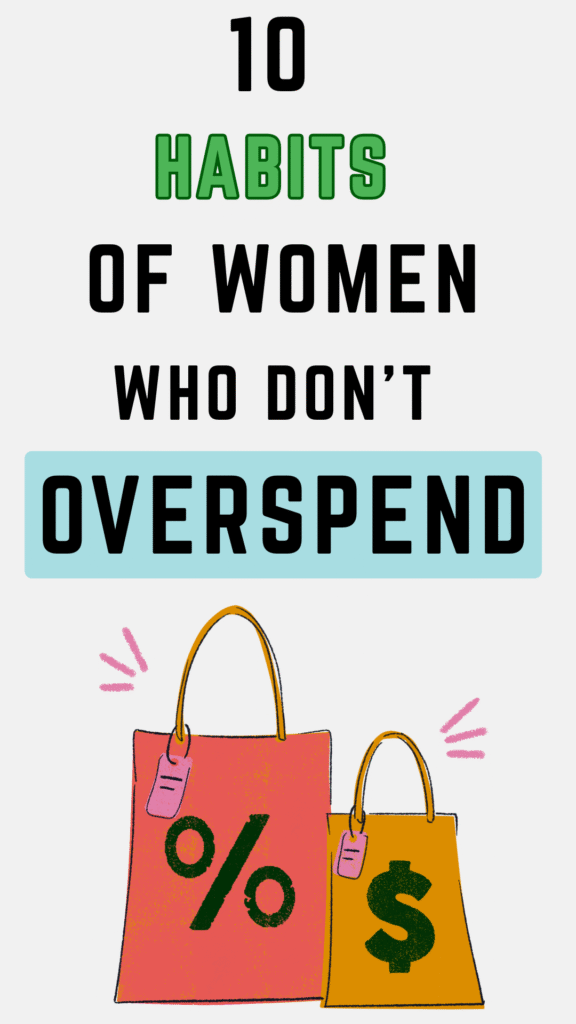
10 Habits of Women Who Don’t Overspend
I used to drop $300 on a “treat yourself” weekend—new lipstick, a trendy top, maybe brunch with bottomless mimosas—and wake up Monday with a pit in my stomach, staring at my bank app. Regret city. But fast-forward a few years, and I’ve built a six-figure net worth without feeling like I’m missing out. The secret? Adopting the habits of women who don’t overspend. These aren’t about scrimping or denying yourself joy; they’re empowering routines that build financial habits for women rooted in abundance, intention, and self-love. If you’re wondering how to stop overspending for women like us—who love fashion, self-care, and a good latte—these money habits that save money will show you how. Women who are good with money aren’t born that way; they cultivate daily practices that make avoiding impulse buying for women feel effortless and exciting. Ready to join them? Let’s dive into these 10 transformative habits that lead to more freedom, more peace, and a richer life in every sense.
They Know Their “Why” and Review It Daily
Women who master their finances start with a crystal-clear “why”—a personal vision that fuels every money decision, turning spending into a choice aligned with their dreams. Psychologically, this taps into intrinsic motivation, as studies from positive psychology show that connecting actions to core values reduces impulsive behaviors by 40%. The real payoff? Long-term wealth like funding dream trips or early retirement, without the guilt of fleeting purchases.
Start today: 1) Grab a journal and write your top three financial “whys”—maybe “travel the world freely” or “build a legacy for my kids.” 2) Make it visual: Create a phone wallpaper or sticky note with your why. 3) Review it every morning over coffee, asking, “Does today’s spending support this?”
Take Sarah, a 35-year-old single mom and teacher. She reviewed her why—”financial security for my daughter”—daily, which helped her skip $50 impulse buys on kids’ toys, redirecting that to a college fund. Now, she’s on track for $50,000 saved by age 40.
Common objection: “I don’t have a big ‘why’—my life is ordinary.” Kind rebuttal: That’s okay! Start small, like “more peace of mind.” Your why evolves, and honoring it builds confidence that makes ordinary days feel abundant.
They Track Every Dollar Without Judgment
Tracking isn’t about policing every penny; it’s a loving awareness that reveals patterns, empowering you to redirect funds toward what lights you up. Behaviorally, this habit leverages the “Hawthorne effect”—knowing you’re observed (even by yourself) improves choices, cutting overspending by up to 30%, per financial psychology research. The payoff: Clarity that frees up hundreds monthly for joys like spa days or investments.
Start today: 1) Download a free app like Mint or PocketGuard. 2) Log expenses daily—categorize without self-criticism, using emojis for fun (heart for self-care, star for goals). 3) Weekly review: Celebrate alignments and gently note shifts needed.
Meet Lena, a 28-year-old marketing pro in the city. She tracked non-judgmentally and discovered $200 monthly on unused beauty subs. Redirecting that to her Roth IRA, she’s now at $15,000 invested, feeling empowered rather than restricted.
Common objection: “Tracking feels tedious and shame-inducing.” Kind rebuttal: Flip the script—it’s self-care, like journaling emotions. Start with just three days a week; the insights will hook you, turning it into a habit of empowerment.
They Pause Before Every Non-Essential Purchase
The “pause” is a mindful breath between desire and decision, curbing impulse buys by activating the brain’s prefrontal cortex for rational thinking. Neuroscience backs this: A 24-hour wait reduces emotional spending by 50%. Payoff? Savings compound into big wins, like a fully funded emergency fund for true security.
Start today: 1) Set a rule: For anything over $20 non-essential, add to a “wishlist” app like Honey or a notes list. 2) Wait 24-48 hours, then revisit—ask, “Does this spark lasting joy?” 3) If yes, buy guilt-free; if no, celebrate the save.
Jasmine, a 42-year-old entrepreneur and empty-nester, paused before a $150 handbag splurge. After waiting, she realized her current one sufficed, redirecting funds to a weekend getaway. This habit helped her avoid $2,000 in annual impulses, funding luxurious travels instead.
Common objection: “I thrive on spontaneity—pausing kills the fun.” Kind rebuttal: It enhances joy by ensuring buys are intentional. Many find the wait builds anticipation, making kept purchases feel even more special.

They Curate a Capsule Wardrobe and Love It
These women build versatile, timeless wardrobes that mix-and-match effortlessly, focusing on quality over quantity. Psychologically, this combats “decision fatigue,” saving mental energy and money—women with capsules spend 60% less on clothes yearly, per style studies. Payoff: A closet full of favorites supports confidence and frees cash for experiences like girls’ trips.
Start today: 1) Audit your closet: Keep what you love and wear often (aim for 30-50 pieces). 2) Donate the rest, then list gaps (e.g., neutral blazer). 3) Shop mindfully—buy one high-quality item quarterly, focusing on fit and joy.
Emily, a 31-year-old nurse and new mom, curated her capsule around comfy, chic basics. She avoided $400 seasonal trends, instead investing in pieces that transitioned from work to playdates. Now, her wardrobe supports her busy life, with extra savings for family adventures.
Common objection: “I love fashion trends—capsules sound boring.” Kind rebuttal: They’re not! Add trendy accessories affordably. It’s about loving what you have, which amplifies style without the overspend cycle.
They Meal Plan Like It’s Self-Care
Meal planning becomes a ritual of nourishment, not restriction—prepping delicious, healthy eats that save time and money. Behavioral economics shows planning cuts food waste by 25% and dining out by half. Payoff: $300+ monthly savings for self-indulgences like beauty treatments or retirement boosts.
Start today: 1) Sunday ritual: Browse recipes on free apps like Mealime, picking 5-7 meals you crave. 2) Shop with a list, incorporating favorites. 3) Prep in batches, freezing extras for easy wins.
Sophia, a 50-year-old executive and grandmother, treats planning as “me time” with podcasts. She slashed $150 monthly takeout, channeling it to a travel fund that’s taken her to Europe twice—proving nourishment leads to abundance.
Common objection: “Planning feels rigid—I love spontaneous eats.” Kind rebuttal: Build flexibility in, like “theme nights” (Taco Tuesday variations). It frees you from daily decisions, creating space for true spontaneity elsewhere.
They Say “No” Gracefully and Often
Mastering graceful “nos” to invites or sales protects energy and wallet, rooted in boundary-setting psychology that boosts self-esteem and reduces regret. Women who practice this save 20-30% on social spending. Payoff: Deeper relationships and funds for meaningful yeses, like passion projects.
Start today: 1) Script responses: “That sounds fun, but I’m prioritizing [goal] this month—rain check?” 2) Practice in low-stakes: Decline one unnecessary invite weekly. 3) Follow with self-affirmation to reinforce empowerment.
Mia, a 25-year-old grad student, said no to weekly brunches, suggesting free park walks instead. She saved $100 monthly, building a side hustle fund that now earns her extra income—turning no into opportunity.
Common objection: “I fear missing out or hurting feelings.” Kind rebuttal: True friends understand. It models healthy boundaries, and the FOMO fades as you fill life with aligned joys.
They Invest in Themselves First (Savings, Retirement, Education)
Paying yourself first—via auto-transfers to savings or investments—builds wealth automatically. Compound interest psychology shows early habits yield massive returns; $100 monthly at 7% grows to $200,000 in 40 years. Payoff: Financial independence for choices like career pivots or generous giving.
Start today: 1) Automate 10-20% of income to high-yield savings or 401(k). 2) Use apps like Acorns for micro-investments. 3) Quarterly review progress, adjusting up as income grows.
Rachel, a 38-year-old freelancer and part-time yogi, invested first despite variable pay. Her habit grew a $30,000 nest egg, enabling a sabbatical for teacher training—embodying self-investment’s ripple effect.
Common objection: “I can’t afford to save first—bills come first.” Kind rebuttal: Start tiny, like $20/paycheck. It shifts scarcity to abundance mindset, often revealing ways to cut elsewhere painlessly.
They Shop Their Own Home Before Buying New
Rediscovering forgotten gems in your space sparks creativity and curbs consumerism. This “use what you have” approach, inspired by minimalism psychology, reduces clutter and spending by 40%. Payoff: A home that feels fresh, with savings for high-impact buys like quality skincare.
Start today: 1) Dedicate 15 minutes weekly to “shop” closets or cabinets. 2) Repurpose items—turn old scarves into headbands. 3) If needed, buy only after confirming no alternatives.
Olivia, a 45-year-old artist and divorcee, shopped her home for decor during a refresh. She saved $500 on new pieces, using the money for art classes that reignited her passion and career.
Common objection: “My stuff feels outdated—I crave newness.” Kind rebuttal: Refresh with DIY tweaks like painting or rearranging. It cultivates gratitude, making new additions more meaningful.
They Celebrate Wins Without Spending
Non-monetary rewards honor achievements, rewiring the brain’s reward system away from shopping dopamine. Positive reinforcement studies show this sustains habits longer. Payoff: Stronger self-worth and savings for big celebrations, like milestone vacations.
Start today: 1) List free rewards: Bubble bath, nature walk, or friend call. 2) After a win (e.g., sticking to budget), pick one immediately. 3) Journal the feeling to reinforce.
Tara, a 29-year-old engineer climbing the ladder, celebrated promotions with hikes instead of shopping sprees. She avoided $300 impulses, amassing funds for a down payment on her dream condo.
Common objection: “Spending feels like the best reward.” Kind rebuttal: Experiment—non-spend joys often feel deeper. It’s about valuing yourself beyond material things.
They Surround Themselves With Like-Minded Women
A supportive circle normalizes smart money talks, leveraging social proof psychology to reinforce habits. Women in such groups save 25% more, per community finance research. Payoff: Accountability, ideas, and friendships that enrich life beyond finances.
Start today: 1) Join free groups like Reddit’s r/personalfinance or women’s money podcasts. 2) Host casual money chats with friends. 3) Seek mentors via apps like Bumble Bizz.
Grace, a 60-year-old retiree, surrounded herself with book club friends who shared tips. This helped her optimize investments, enjoying a comfortable retirement with travel and giving.
Common objection: “My friends love spending—changing circles feels lonely.” Kind rebuttal: You don’t have to ditch them; add new influences gradually. It expands your world, bringing balance.
Printable “10 Habits” Checklist
To make these habits stick, I’ve designed a simple printable checklist you can download or recreate: A one-page PDF with the 10 habits listed as checkboxes, space for daily notes, and motivational quotes like “Abundance starts with intention.” Columns include: Habit, Today’s Action, Win of the Day. Print it weekly, hang on your fridge, and check off as you go—it’s a visual reminder of your progress toward financial freedom.
How to Adopt All 10 Without Overwhelm
Don’t dive into all at once—start with 2-3 that resonate, like knowing your why and pausing purchases. Week 1: Focus on mindset habits (1, 10). Week 2: Add systems (2, 3). Build gradually, using tools like habit-tracking apps (Habitica for fun gamification). Track wins in a journal to stay motivated. Remember, consistency over perfection—slips are learning opportunities. In months, these will feel natural, weaving into a lifestyle of ease.
The Mindset Shift That Ties Them Together
At the heart is abundance thinking: Viewing money as a tool for joy, not scarcity. This shift—from “I can’t afford” to “I choose not to for bigger yeses”—empowers every habit. It’s about curating a life where financial habits for women foster self-respect, creativity, and generosity. Long-term? More travel, early retirement, and the freedom to give back—proving less overspending means more life.
FAQs on Habits of Women Who Don’t Overspend
Can you enjoy shopping and still not overspend?
Yes! These habits enhance shopping by making it intentional. Women who are good with money shop for quality pieces that align with their capsule or wishlist, turning it into a joyful ritual rather than an impulse.
What if my friends always want to spend?
Gracefully suggest low-cost alternatives, like potlucks over dinners out. Surround yourself with like-minded women too—it balances influences without losing bonds.
How do financial habits for women differ from men’s?
While universal, women’s often incorporate self-care elements, like meal planning as nourishment or celebrating non-monetarily, addressing societal pressures around beauty and nurturing.
Is it possible to avoid impulse buying for women in a consumer-driven world?
Absolutely—habits like pausing and shopping your home build resilience. Focus on psychology: Awareness turns triggers into choices, leading to empowerment.
What apps help with money habits that save money?
Try Mint for tracking, Acorns for investing first, and Mealime for planning. Free and user-friendly, they make habits seamless.
How long until these habits stick?
Most see shifts in 2-4 weeks with consistency. Start small; the compound effect builds momentum, like saving $1,000 in months.
What if I’m in debt—can these help?
Definitely—they prevent further overspending while you tackle debt. Prioritize investing in yourself first, even small amounts, for a foundation.
Do these habits work for all life stages?
Yes—from young professionals like Mia to retirees like Grace. Adapt to your phase: Moms meal plan family-style; singles curate solo wardrobes.
Conclusion
These 10 habits of women who don’t overspend aren’t about less—they’re about more freedom, more peace, more life. By embracing mindset, systems, and joy, you’ll stop wondering how to stop overspending for women and start living abundantly. Pick one today—maybe your why or a simple pause—and watch the transformation. You’ve got this, sister; financial peace is waiting. Share your first step in the comments—let’s cheer each other on!